Winter in New Zealand means shorter days, cooler weather, and a lot less time in the sun — and that can have a bigger effect on your health than you might think. Vitamin D is often called the "sunshine vitamin," and for many of us, winter is exactly when our levels drop.
Why Vitamin D Matters
Vitamin D contributes to normal bone and muscle function, and supports normal immune system function as part of an overall healthy diet and lifestyle. Most of our vitamin D comes from sunlight on our skin — which makes winter a tricky season, especially in the parts of the country that get less sun.
Who's More Likely to Be Low in Winter
Some people are more likely to have lower vitamin D levels over winter, including those who:
Spend most of their time indoors, or work night shifts
Cover most of their skin when outdoors, for cultural, religious or sun-protection reasons
Have naturally darker skin
Are older adults
Are pregnant or breastfeeding
Have limited mobility or spend a lot of time in care facilities
Food Sources of Vitamin D
Sunlight is the main source, but a small amount of vitamin D also comes from foods such as:
Oily fish (like salmon and sardines)
Egg yolks
Fortified milk and some margarines
For many New Zealanders, diet and winter sunlight alone aren't enough to maintain adequate levels, which is why a supplement is worth discussing with your pharmacist.
Thinking About a Supplement?
Vitamin D supplements are widely available and may be worth considering over winter, particularly if you fall into one of the groups above. The right dose depends on your age, health, and current vitamin D levels, so it's worth a quick chat with your pharmacist rather than guessing.
If you're concerned you may be low in vitamin D, your GP can arrange a blood test to check your levels and advise on the right course of action for you.
Talk to Your Pharmacist
Our pharmacists can talk you through whether a vitamin D supplement might be worth considering, help you choose an appropriate dose, and let you know if it's likely to interact with any other medications you're taking.
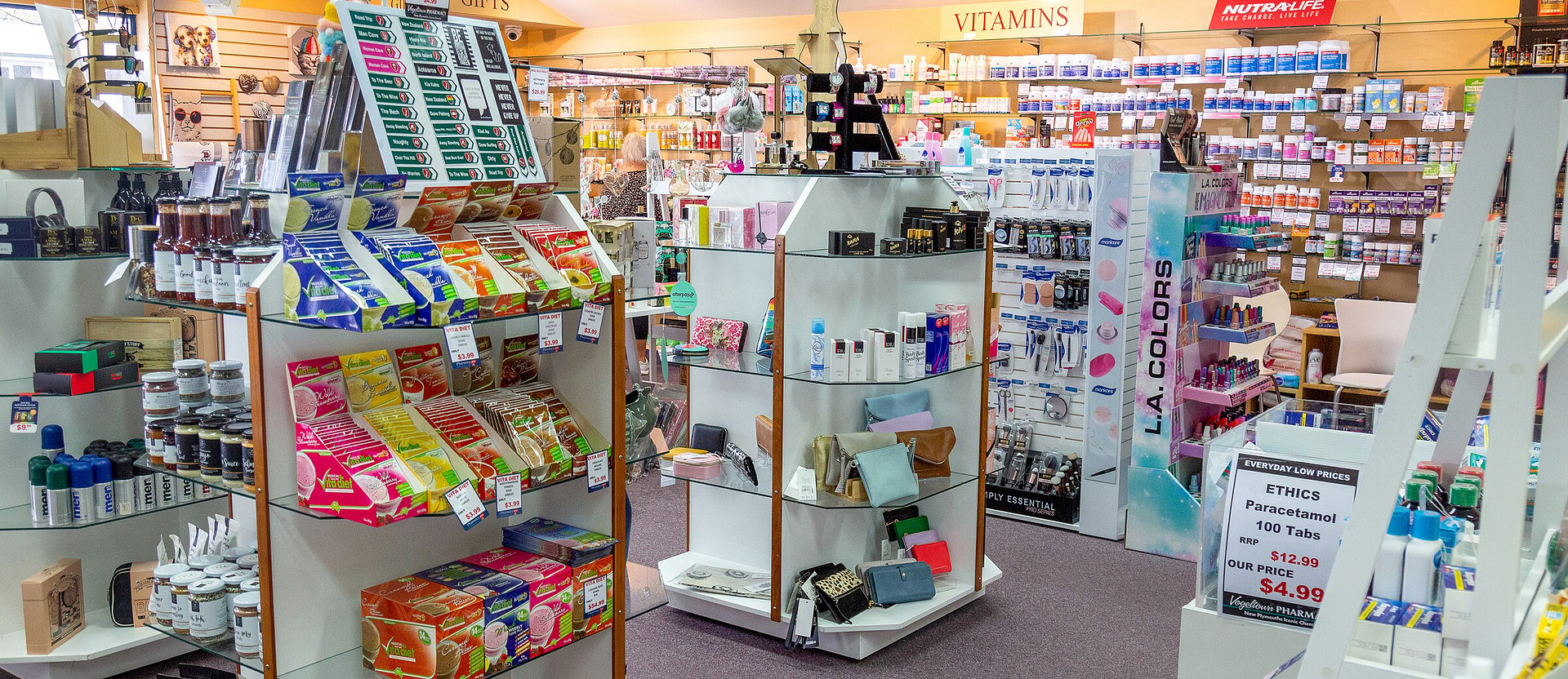
Pop into Vogeltown Pharmacy for a chat — we're happy to help you make sense of your options this winter.
This article is general information only and is not a substitute for medical advice. Vitamin D supplements are not intended to diagnose, treat, cure or prevent any disease. Talk to your pharmacist or doctor before starting a new supplement, especially if you are pregnant, breastfeeding, on other medications, or have a health condition.